La Cina si appresta a lanciare la International Deep Space Exploration Association (IDSEA), una associazione pensata per promuovere la cooperazione internazionale nell’ambito dell’esplorazione spaziale.
IDSEA is planned to capitalize on the growing global interest in China’s lunar and Mars exploration missions, according to the reports, as well as focusing on deep-space studies, including sending spacecraft to the Moon, planets, and asteroids. The association will also promote international cooperation, with the Deep Space Exploration Laboratory (深空探测实验室), one of the association’s five initiators (the other four have not been named publicly at the time of writing), involved.
Particolare attenzione verrà prestata ai paesi emergenti.
In line with this policy, Wang Zhongmin (王中民), Director of the laboratory’s International Cooperation Center, stated the following regarding IDSEA:
"We hope to bring in as many developing countries as possible, and by initiating small yet impactful programs, such as on CubeSat design and training of scientists, we hope to enable these nations to access cutting-edge space technologies that once seemed far beyond their reach,” — “The vast majority of countries may see a technological monopoly. Deep space technologies must move out of the small circle to benefit the whole of humanity.”
// Di fatto è IMO anche un ulteriore tentativo di capitalizzare sul disimpegno dell’amministrazione USA.
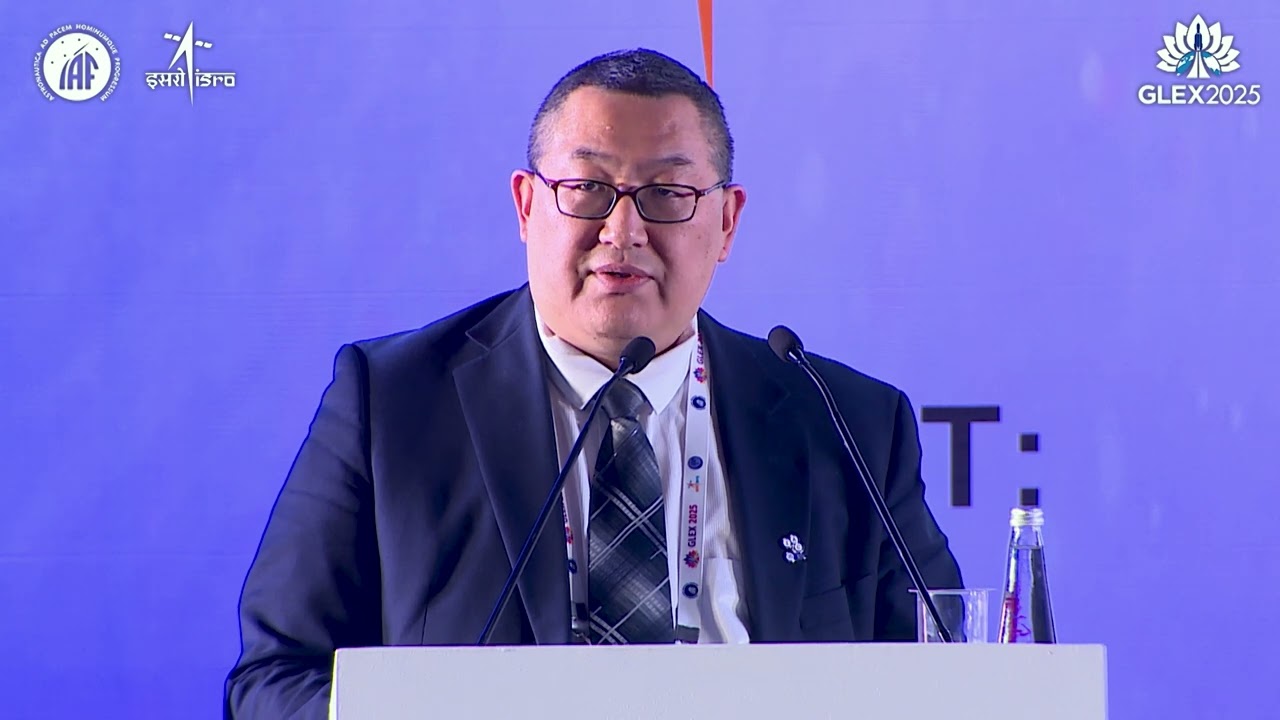
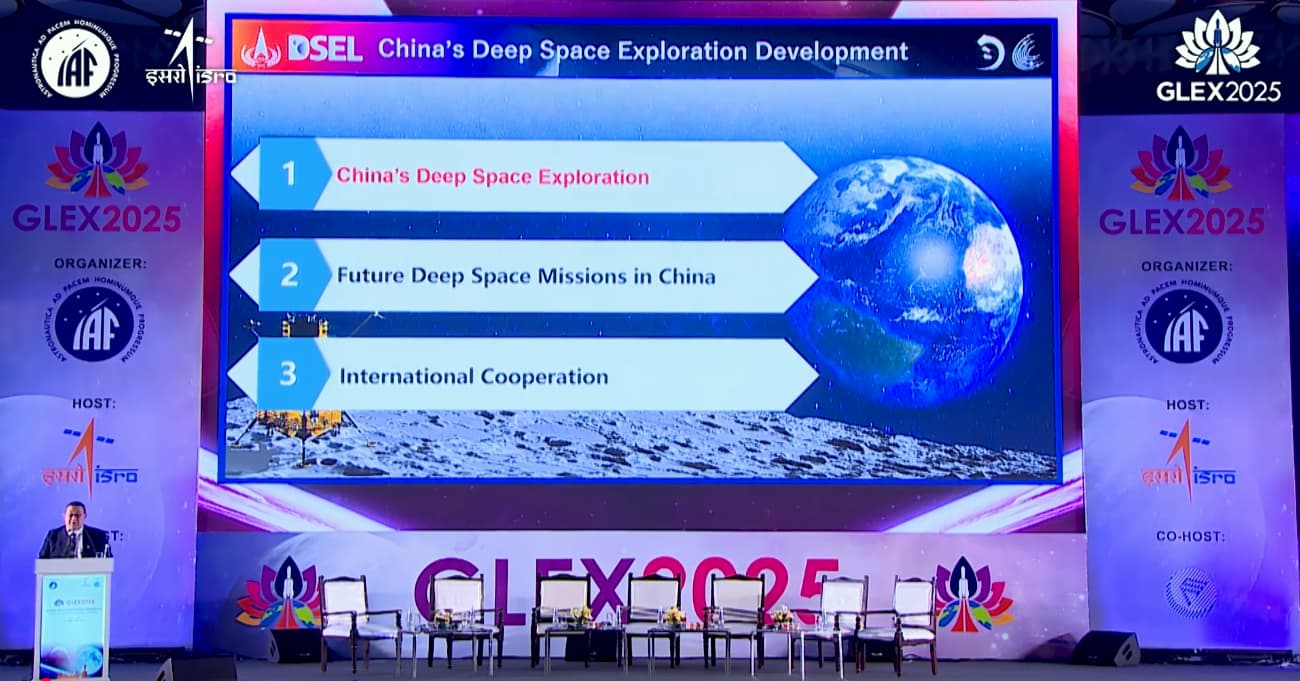
Su YouTube ho trovato un video recente del già citato Wang Zhongmin - director of the laboratory’s International Cooperation Center - che descrive le missioni svolte dalla Cina fino a ora e illustra le possibilità offerte da una cooperazione con l’agenzia spaziale cinese.
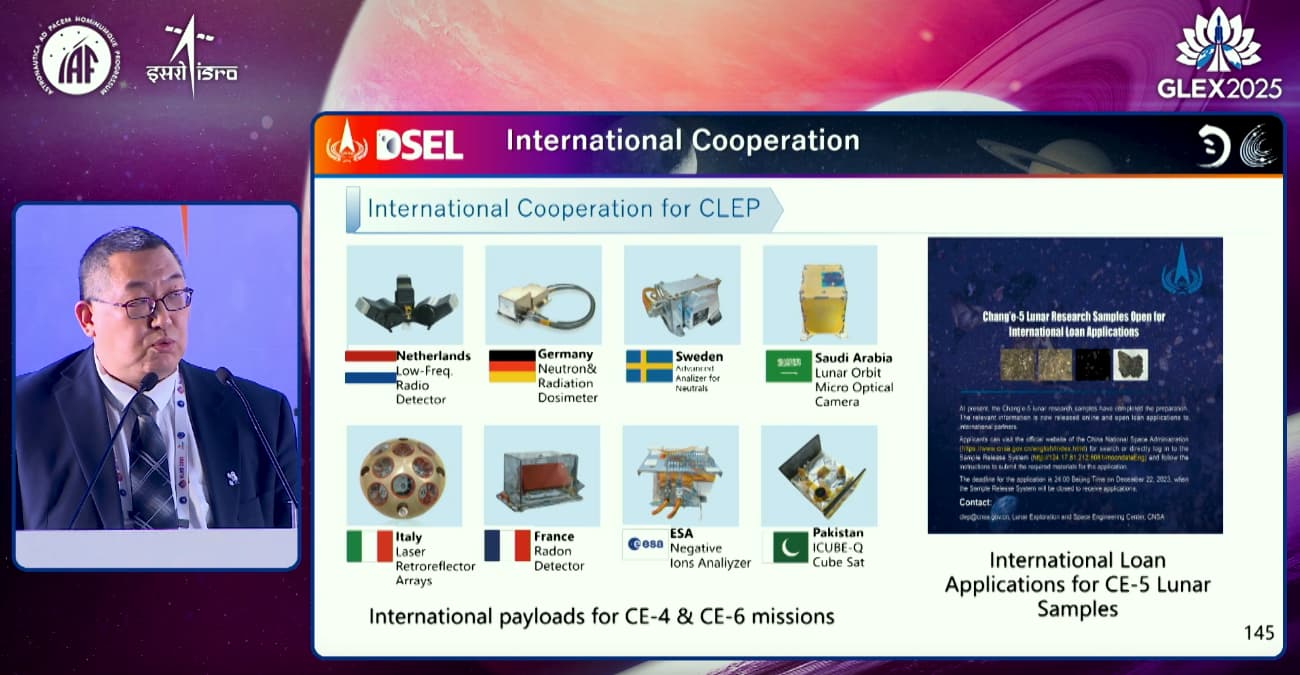
China actively promotes international cooperation for lunar, planetary and asteroid exploration. For ILRS, we partnered with over 20 countries and 50+ institutions, sharing data and fostering joint research. Cooperation will include joint concept study, joint development, facility co-construction, piggyback payloads, data sharing, and talent cultivation. Our target to invite more than 50 countries, 500 international academic institutions, and 5,000 international scientists to participate. The final goal is to build a shared future in outer-space, expanding human knowledge and civilization.