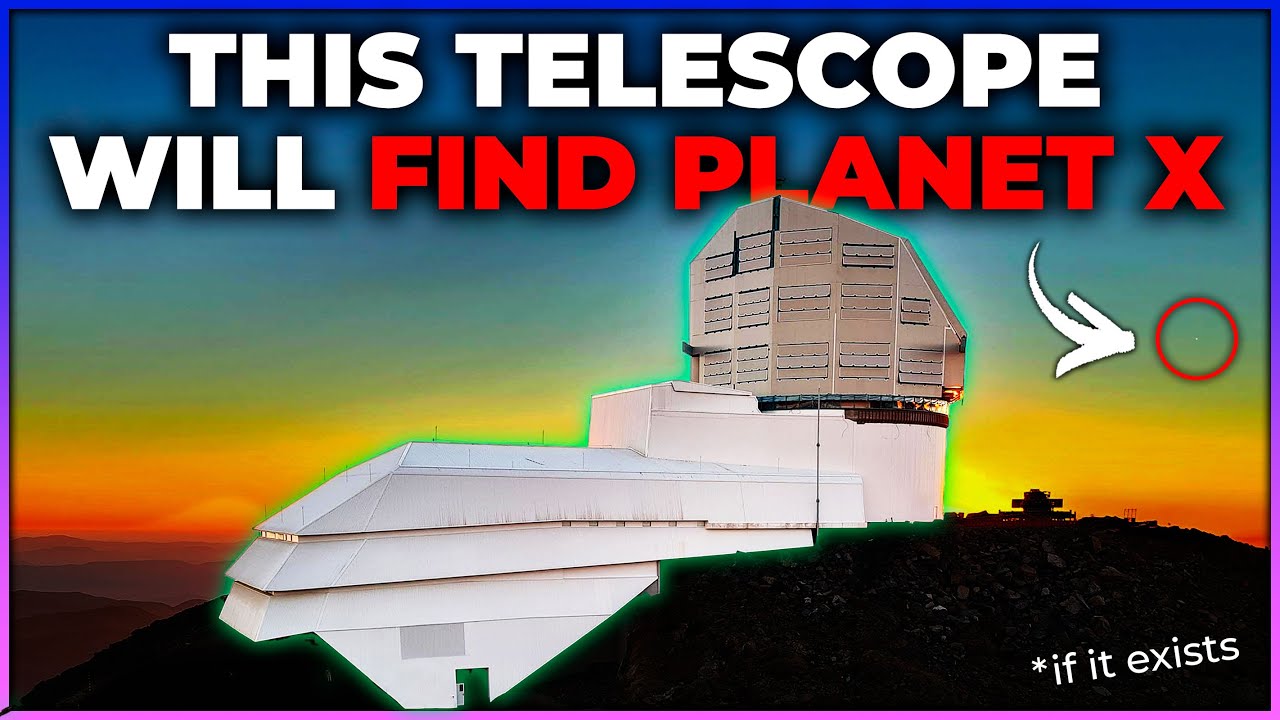
Vera C. Rubin Observatory - LSST

La LSST Camera è arrivata all’osservatorio Vera Rubin.

Video del viaggio.

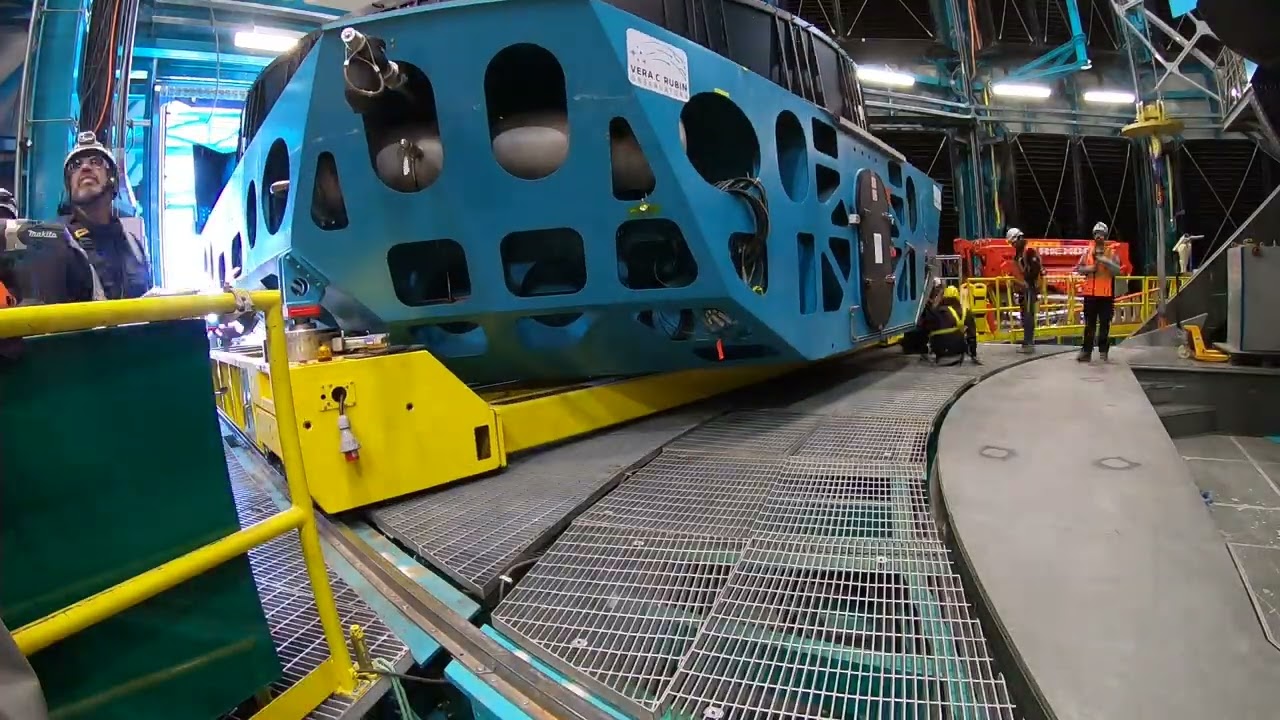
This video documents the journey of the LSST Camera from SLAC National Accelerator Laboratory in California to Rubin Observatory on the summit of Cerro Pachón in Chile. The camera arrived on the summit on May 16th, 2024

Il comunicato (via Rubin su Mastodon):

Sull’importanza di questo telescopio.

Edit 15/07/24. Un articolo del CNRS con un po’ di fotografie.

2 Mi Piace

Time lapse della costruzione. Otto anni in un minuto e mezzo. :rocket:

5 Mi Piace

E’ stato installato lo specchio secondario.

The summit team at the NSF–DOE Vera C. Rubin Observatory in Chile has installed the 3.5-meter glass secondary mirror assembly on the Simonyi Survey Telescope. This achievement marks the successful integration of the first permanent component of the telescope’s optical system, which also includes an 8.4-meter primary/tertiary mirror and the LSST Camera — the largest digital camera in the world.

Prossimi passaggi.

In the coming weeks the Rubin team will re-install the Commissioning Camera, a much smaller version of the LSST Camera, that will be used to conduct a variety of test campaigns on the optical system including both mirrors. The team will also now focus on preparing the primary mirror assembly for telescope integration in August, and the LSST Camera for installation on the telescope later this year.

4 Mi Piace

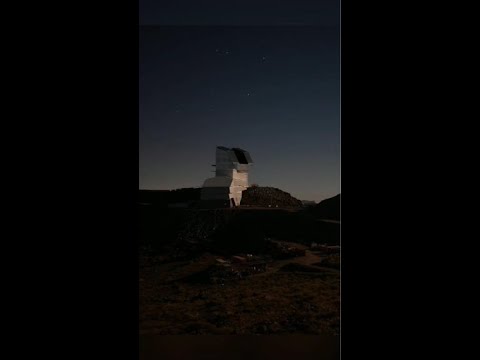
L’osservatorio coperto di neve.
(ricorda un po’ la base dei ribelli su Hoth)

2 Mi Piace

Segnalo alcuni video.

Dr. Becky ha pubblicato una breve introduzione al Vera Rubin, utile per chi ancora non lo conoscesse.

Rubin is one of the most ambitious astronomy projects we’ve ever seen - yes its seen all the usual technological advancements that come with a new observatory - but Rubin stands out due to the sheer scale of what its going to attempt to do. […] Rubin will collect a HUGE amount of data, its estimated that it will detect 20 billion objects in the sky over its 10 year survey, and flag 10 million things that change in the sky each night. Over its 10-year survey, it will collect around 60 petabytes of data! So with all that data, Rubin is set to change the face of astronomy forever, as long as we’re prepared for that deluge of data…

Sul canale YouTube dell’osservatorio invece sono stati pubblicati gli interventi che si sono tenuti a fine luglio al Rubin Community Workshop 2024. Sono tutti piuttosto tecnici - a volte decisamente troppo - ma altrettanto interessanti.

In particolare segnalo:

Commissioning: con una panoramica delle varie fasi che porteranno l’osservatorio a diventare operativo.


Vera Rubin - Creative Commons Attribution 4.0

Rubin Research Spotlights con interventi che descrivono alcune delle ricerche che si baseranno sui dati di LSST.

Citizen Science : il progetto per coinvolgere il pubblico nell’analisi dei dati, simile al progetto Euclid Galaxy Zoo.

2 Mi Piace

Installato lo specchio primario.

This is a huge achievement in itself, and — with all three mirrors and the commissioning camera (ComCam) now in place — Rubin Observatory officially has a complete telescope! After getting this configuration of the telescope on-sky and conducting several months of testing, the summit team will remove the 144-megapixel ComCam and install the final science component: the car-sized, 3200 megapixel LSST Camera.

2 Mi Piace

Siamo alla quarta settimana di commissioning.

Gli aggiornamenti settimanali [1, 2, 3, 4] si possono seguire nell’ LSST Community Forum cercando con l’etichetta “commissioning-update”.

L’osservatorio ha anche un account su Bluesky.

Brevissimo video, 14-18 novembre: “Commissioning progress continued last week at Rubin Observatory with some exciting achievements using the test camera, ComCam!

3 Mi Piace

Articolo interessante di The Atlantic sui satelliti spia e LSST.

L’anno scorso il direttore del Vera Rubin ha “negoziato” con un’agenzia statunitense - non si sa quale - i protocolli di sicurezza da implementare nell’osservatorio per evitare che riveli la posizione dei satelliti militari.

“I didn’t even know which agency I was talking to,” he told me on a recent video call from his field office in Chile. Whoever it was would communicate with him only through intermediaries at the National Science Foundation. Ivezić didn’t even know whether one person or several people were on the other side of the exchange. All he knew was that they were very security-minded. Also, they seemed to know a great deal about astronomy.

La soluzione sarebbe questa: tutte le immagini raccolte verranno criptate prima che chiunque possa vederle, inviate da qualche parte in California, editate rimuovendo le tracce dei satelliti spia e rispedite indietro. Tre giorni e otto ore dopo le stesse immagini saranno rese disponibili senza editing.

A government agency—no one told him which one—would chip in $5 million for the construction of a dedicated network for moving sensitive data. Each time the telescope were to take one of its 30-second tile images of the sky, the file would be immediately encrypted, without anyone looking at it first, and then sent on to a secure facility in California.
Next, an automated system would compare the image with previous images of the same tile. It would cut out small “postage stamp” pictures of any new objects it finds, be they asteroids, exploding stars, or spy satellites. It would filter out the postage stamps that might depict secret U.S. assets and, one minute later, send all the rest, together with their coordinates, to an alert service available to astronomers worldwide. Three days and eight hours later, the entire tile image would be released to astronomers, untouched by black marker or any other technology of redaction.

Questo passaggio:

By then [cioè dopo i 3 giorni e 8 ore], the spy satellites would likely have gone somewhere else. They are elusive, after all. Their orbits are irregular, and they shift direction often.

… mi ha lasciato un po’ perplesso: mi chiedo se sia vero che i satelliti spia cambiano orbita così spesso.

Link su Archive: :newspaper: When a Telescope Is a National-Security Risk

5 Mi Piace

Davvero sorprendente. Magari cambiano orbita solo se sanno di essere stati ripresi, in modo che entro 80 ore diventano non più rintracciabili.

1 Mi Piace

Questo implica anche un’altra cosa ovvia ma non direttamente trattata nell’articolo. E cioè che questa misteriosa struttura californiana sarà in grado di spiare i satelliti segreti delle altre potenze spaziali.

In effetti questo capovolge la cosa: visto che il piano di osservazione è fisso e di 10 anni, il “sequestro” delle immagini non è tanto per non svelare i satelliti americani (che potrebbero scappare preventivamente da dove punta il telescopio) ma piuttosto per non far sapere ai cinesi dove sono i satelliti russi e ai russi dove sono quelli cinesi. Questo dà agli USA un vantaggio tattico, dal momento che loro sapranno tutto di tutti.

6 Mi Piace

In effetti, visto che il piano di osservazione è pubblico, tutti i governi cercheranno di far scappare da quella zona di cielo i loro satelliti segreti, e gli USA saranno gli unici a sapere se c’è qualcuno troppo lento nel farlo.

Che poi siamo sicuri che se un’immagine del Rubin rivela qualcosa di scottante, verrà restituita agli scienziati nel tempo stabilito e senza sofisticate manipolazioni? Boh.

2 Mi Piace

che poi, dato il campo di vista molto ampio e il tipo di survey che farà, la vedo davvero difficile deviare preventivamente le orbite… si parla di quasi 10° quadrati, e di 200.000 immagini all’anno, quindi qualcosa come 5000° quadrati per notte! hai voglia a spostarti :slight_smile:

Sì, i satelliti spia in orbite alte cambiano orbita frequentemente. Ci sono stati tanti balletti tra satelliti statunitensi e cinesi quest’anno in GEO. In GEO è molto facile farlo, in LEO è praticamente impossibile.

EDIT: qualche esempio:

4 Mi Piace

Segnalo una conferenza che si è tenuta durante il 245esimo incontro della American Astronomical Society per presentare il Vera Rubin ai divulgatori scientifici, da cui riporto solo un brevissimo passaggio (cfr. slide qui sotto):

“in the first year of operating the LSST, we will have more thant doubled the amount of raw optical and infrared pixels available to humanity”. :exploding_head:

:movie_camera: YouTube: AAS 245 Seminar: The Vera C. Rubin Observatory


Nel frattempo, la fase di test della ComCam è terminata con successo.
L’articolo dal sito dell’osservatorio.

:newspaper: Testing, Testing! NSF–DOE Vera C. Rubin Observatory Completes Comprehensive System Tests With Flying Colors

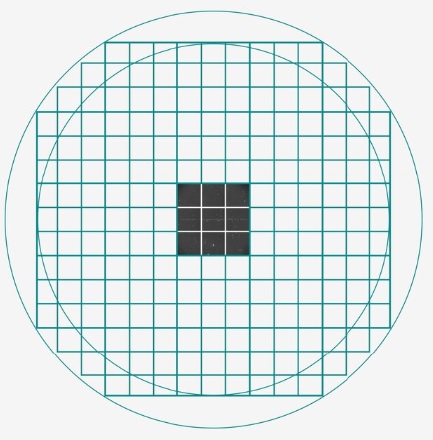
The engineering test camera, or commissioning camera (ComCam), has a mosaic of nine CCD sensors with a total of 144 megapixels. It covers an area about twice that of a full Moon. Over the seven-week ComCam engineering test campaign, from 24 October to 11 December 2024, approximately 16,000 exposures were acquired to test Rubin Observatory’s hardware and software systems and data pipeline.

Una delle immagini raccolte dalla ComCam durante la prima notte di test
(cfr. versione zoomabile pubblicata sul sito).


A single test engineering image from the very first night of the ComCam campaign, before any detailed tuning or more precise alignment of the optical system, is shown below in the context of the coverage that will be provided by the LSSTCam. Rubin Obs/NSF/AURA CC BY 4.0

Prossimo passaggio: installazione della LSSTcam.

The next few months will focus on installing the LSSTCam — one of the last major steps in the journey toward ‘First Look’ when images from the complete Rubin Observatory will be shared with the world for the first time. Then, after the final phase of full system testing and verification, Rubin Observatory will begin the most comprehensive data-gathering mission in the history of astrophysics.

1 Mi Piace

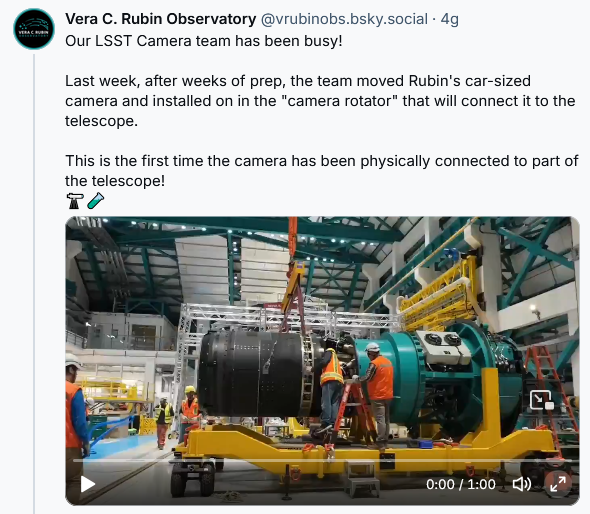
Proseguono i lavori. La LSST Camera è stata integrata con una parte del telescopio.

Breve video dei lavori e inizio del thread con qualche spiegazione.

Via:


Nota a margine: la biografia di Vera Rubin presente nel sito dell’osservatorio è stata in parte modificata per adeguarsi a uno degli ordini esecutivi dell’amministrazione.

1 Mi Piace

Assurdo, completamente assurdo. Scandaloso, stupido, e spero proprio che paghino le conseguenze di un volontario arretramento culturale di quella che era considerata una democrazia.

5 Mi Piace

Non è assurdo. È normale quando al potere vanno degli ignoranti, votati da degli ignoranti. Mala tempora currunt sed peiora parantur. :person_shrugging:

4 Mi Piace

Conclusa l’installazione della LSST Camera .

NSF–DOE Vera C. Rubin Observatory, funded by the U.S. National Science Foundation and the U.S. Department of Energy’s Office of Science, has achieved a major milestone with the installation of the LSST Camera on the telescope. With the final optical component in place, Rubin enters the last phase of testing before capturing long-awaited and highly-anticipated First Look images, followed by the start of the Legacy Survey of Space and Time (LSST).

4 Mi Piace

Iniziate le osservazioni di prova con la LSST Camera.

[…] the engineering test phase of the Rubin Observatory with LSSTCam, the largest Camera ever built for astrophysics, has started!

On Tuesday 15 April 2025, the first on-sky engineering data taking began, with the i-band filter in the beam. Thanks to the successful ComCam on-sky campaign, the telescope optical alignments were remarkably close to optimal before even looking at the sky. In just a handful of on-sky iterations the system delivered, across the focal plane, a median image quality of about 1.8 arcsec FWHM, before any detailed tuning with the active optics system (AOS). The Data Management system successfully transported and processed the 3-gigapixel images at the US Data Facility within about a minute of acquisition.

Commissioning Update:

3 Mi Piace

Un’ora di intervista realizzata da Fraser Cain di Universe Today con Edward Ajhar, NSF program director for Rubin Observatory.

Nel frattempo, la fase di commissioning prosegue.

1 Mi Piace